

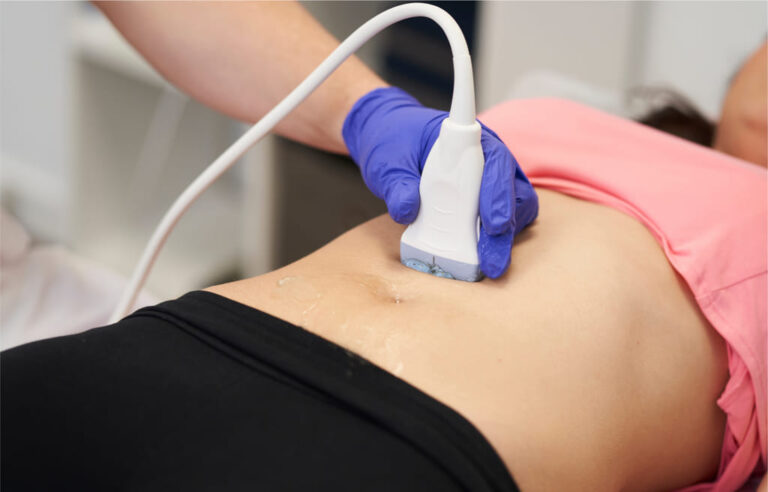

Health Check Item and Category
- Sonography
- Pap Smear Screening
- Breast Sonography
- Pelvis Sonography
- Pap Smear Test



Listed Group, A Choice of Confidence
•re:HEALTH was established in 2012.
•Has administered various vaccines to over 100,000 people, with a satisfaction rate of nearly 100%*.

Government Standards, A Guarantee of Confidence
•All check-up instruments and equipment meet the safety standards of the Hong Kong Hospital Authority.
•Invested over ten million Hong Kong dollars to purchase the latest testing equipment from abroad to ensure fast, accurate, and professional results.

Smart Monitoring for Vaccine Storage
·Vaccines are genuine products imported from original manufacturers, packaging boxes can be provided to check the batch number and expiration date of the injection.
·Uses medical-grade vaccine storage refrigerators, with temperatures maintained according to guidelines from the Hong Kong Department of Health and vaccine manufacturers to ensure safety.
·Vaccine refrigerators are equipped with smart devices for 24-hour temperature monitoring.

Professional Medical Team
·The check-up center has a professional medical team, including on-site radiologists, general practitioners, chiropractors, dentists, nutritionists, nurses, and more.
·Frontline medical staff receive an average of 85 hours of professional training annually to provide you with high-security, high-privacy, and high-quality one-stop health management services.

Star-rated Environment, Conveniently Located
·re:HEALTH Hong Kong is located in the core districts of Causeway Bay and Mong Kok, with the Mong Kok flagship store spanning over 20,000 square feet.
·The elegant decor makes you feel like you are in a premium clubhouse, allowing you to complete your check-up in a relaxed and comfortable manner.
·A light refreshment area at the end of the check-up process is equipped with a TV and healthy snacks, allowing you to rest while waiting for the doctor to explain your report.

14-Day Cooling-Off Period
·You can get an unconditional refund within 14 days of purchasing a service, increasing your confidence.